
First aid for mental health
1-day course where you learn how to become an everyday life-saving hero
By the end of this 1-day course, you will have the skills to help a person who’s in crisis. You may even save their life.
During the first aid for mental health course you’ll find out about recognition, listening, understanding and support. In just one day, you’ll gain life-saving knowledge which can make all the difference — not just for your work colleagues, but for everyone around you.
If someone is experiencing a mental health crisis, you will have the knowledge and confidence to sit down with them, listen without judgement and get them signposted to professional help.
On that day, you can save their life.
The first aid for mental health course is for…
Anyone in the workplace … because mental health and substance abuse issues are misunderstood, sometimes feared and often hidden.
Each year, 1 in 4 people in the UK experience a mental health condition — and this takes its toll, both personally and professionally.
As you may know, the HSE’s first aid needs assessment recommends that employers foster a positive mental health culture in the workplace and offer appropriate training to their staff.
As well as demonstrating a duty of care, there’s a practical benefit to this course. It increases productivity and reduces absenteeism.
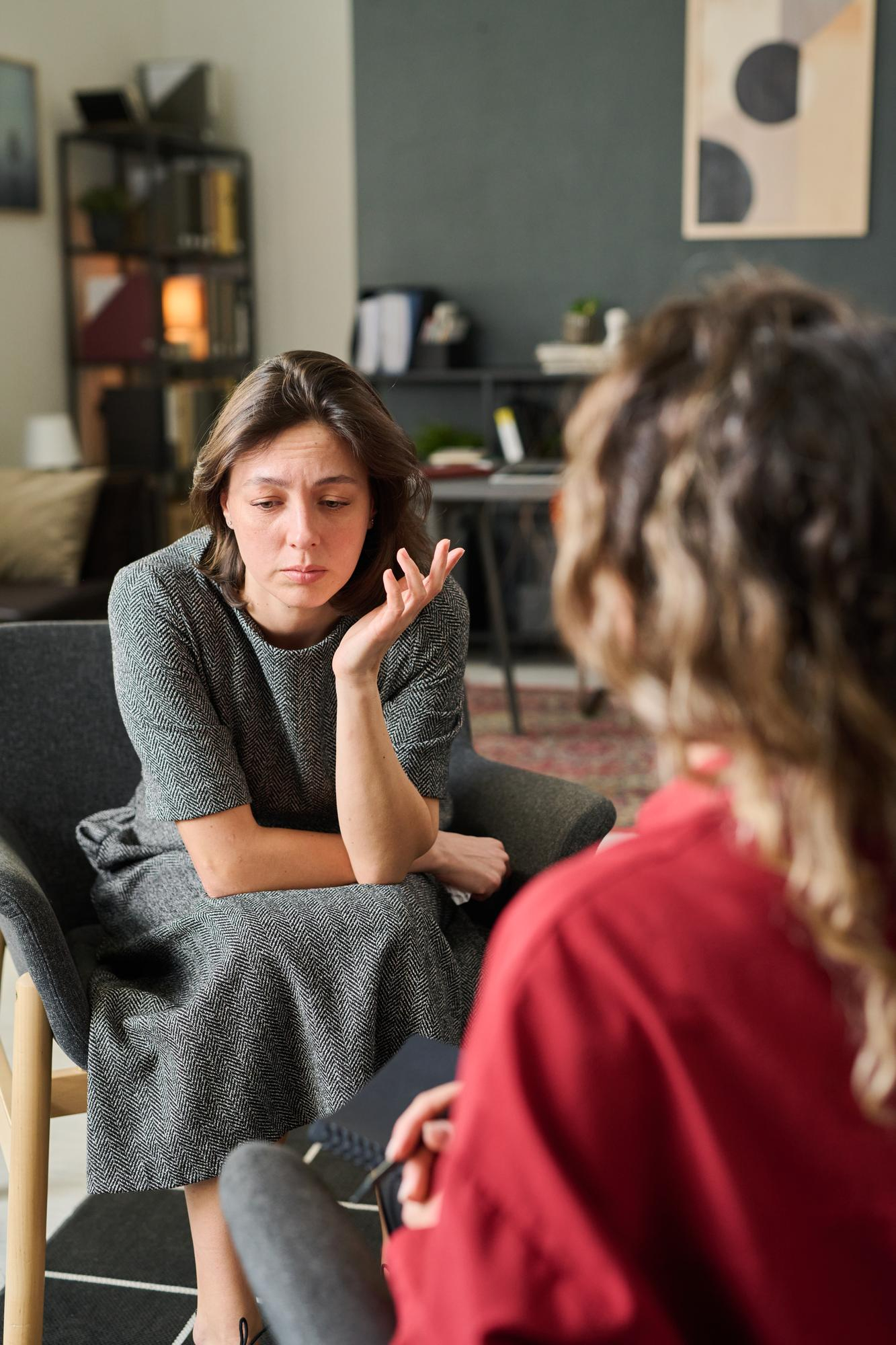
First aid for mental health: What will you learn?
You’ll be surprised by how much you enjoy the day. I always make sure the learning process is engaging, interactive and stimulating — so you won’t be bored.
Most importantly, first aid for mental health gives you a fascinating insight into a subject that’s often brushed under the carpet. This is a safe space to speak. Provided you feel comfortable to do so, there’s plenty of opportunity to open up and share your own experiences.
It’s a flexible course, and I’m always happy to tailor the content. If there’s an aspect of mental health or addiction you’d like to know more about, please just ask.
Here’s the 1-day course content:
- Defining mental health, and understanding the stigma surrounding it
- Factors which affect mental health
- Roles and responsibilities of a first aider
- Outline of advice — What to say to someone with a suspected mental health condition
- Listening without judgement
- Knowing when to contact the emergency services
- Identifying signs of stress, and how stress can be managed
- Alcohol and drug abuse — Its effects, and the consequences for someone’s work and personal life
- Applying a first aid action plan
- How to implement a positive mental health culture in the workplace
- Identifying signs and symptoms of depression, suicide, psychosis, anxiety, self-harm, eating disorders
Do bear in mind, this course can’t teach you how to diagnose and treat a mental health condition. That’s the responsibility of a healthcare professional.
However, you’ll know where to signpost an individual who needs professional help. You’ll leave with the knowledge and confidence to approach, reassure and support someone when they need it most.
Group sessions (min 6 people, max 16): £135 per person
Your first aid qualification
There’s a written assessment paper, and a practical demonstration of the first aid action plan for mental health.
Once you’ve completed these, you’ll receive a level 2 certificate in First Aid for Mental Health.
Some information about your first aid trainer
My name is Jenny Legg, and I will be your first aid trainer.
I set up Training Legs First Aid in 2019 because I love teaching people how to become life-saving heroes. Also, I wanted to make first aid courses interesting and enjoyable.
I have FAA qualifications in, first aid for mental health, first aid at work, paediatric first aid, anaphylaxis, oxygen management, catastrophic bleed, basic life support, CPR and safe use of an AED. I also have a PTLLS qualification, a volunteer management qualification, an assessor’s qualification, and I’m trained in stress and resilience.
At Training Legs, I mainly work with charities, schools, local councils and businesses in Surrey and Sussex.
If you have any questions, I’m always happy to answer them so feel free to get in touch.

FAQs
You’ll probably have questions, so I’ve answered some of them here.
If your question isn’t here, don’t worry. Just get in touch and I’ll provide the answer.
Who provides the training?
Virtually all the first aid training is carried out by me, Jenny Legg. I’m a qualified first aid trainer and the owner of Training Legs.
Which qualifications do you have?
Here’s the full list of my first aid training qualifications:
- PTLLS+ (Preparing to Teach in the Lifelong Learning Sector) — Level 5
- Training and assessment — Level 4
- First Aid at Work Trainer — Level 3
- First Aid for Mental Health Instructor — Level 3
- NUCO Assessor Training
- CPR and safe use of an AED — Level 2
- Student First Aid Instructor
- First Aid for Mental Health — Level 3
- Oxygen Therapy Administration & Anaphylaxis Management
- Catastrophic Bleed Instructor
Which first aid courses should I take?
For the full information on how to assess your first aid needs at work, take a look at the HSE’s First Aid Needs Assessment.
Here’s a quick rundown of my courses and who they’re for.
Practical first aid courses:
- Emergency first aid at work — For any employee. You just have at least 1 qualified first aider at work for every 50 people, even if you employ just one person
- First aid at work — A higher level of training for people who work in high-risk environments.
- Requalification for first aid at work — A refresher course. You’ll need to have completed the first aid at work course (for people who work in high-risk environments) within the last 3 years.
- Paediatric first aid — A requirement for those who work in childcare
- Defibrillator workshop — Everyone
- Basic first aid — Everyone
First aid for mental health courses:
- First aid for mental health — For any employee. The HSE recommends that employers foster a positive mental health culture in the workplace and offer appropriate training to their staff.
- Awareness of first aid for mental health — For CEOs, managers and leaders with responsibility for the company’s mental health strategy and culture
- Supervising first aid for mental health — For those who want more detailed training in mental health and addiction
Is first aid difficult to learn?
The short answer is no. All my first aid courses are suitable for anyone. You don’t need any previous experience with first aid techniques, or any medical knowledge.
The aim of the course is to build your confidence. I’ll be guiding you through every step, and there’s plenty of time to practise your newly learned techniques and skills.
Why is first aid training important?
First aid training is important because having these skills allows you to save someone’s life.
Accidents, emergencies, a mental health crisis or situation can happen at any time. First aid training means you can act quickly and efficiently until professional help arrives.
How many people can attend your courses?
I give everyone individual attention so there’s a maximum of 12 people for my practical first aid courses. At the first aid for mental health courses, the maximum number is 16.
All the courses run with a minimum of 6 people.
What sets you apart from other first aid trainers?
Firstly, my courses are good fun. I make sure they’re engaging and entertaining because that way, you’re more likely to remember what you’ve learned.
Secondly, I deliver first aid training with women in mind. As well as the standard topics, we include key issues such as periods, pregnancy and the menopause — important areas often overlooked in traditional courses. It makes our training more inclusive for everyone.
Bra Off Defib On is a big part of that. Too many women die because people are unsure how to use a defibrillator correctly on them.
Do you deliver the Bra Off Defib On workshop as a separate course?
Yes. I run a 1-hour standalone Bra Off Defib On workshop for community groups through the BODO charity.
Will I need to bring anything with me to the course?
No, just bring yourself. All the equipment is provided.
What should I wear?
For the practical first aid courses, I recommend comfortable clothing — something suitable for moving around on the floor — and please don’t wear anything which can be seen through, up or down.
The first aid courses for mental health don’t involve practical exercises, so you can wear anything you like.
Are you ready to become an everyday life-saving hero?